
Berlin Protest Calls for Lifting Taiz Siege, Designating Houthis as Terrorists
Members of the Yemeni community in Berlin staged a protest calling on Germany, the European Union, the United Nations and the international community to pressure the Iran-backed Houthi militia to lift the siege on Taiz, reopen roads, ensure freedom of movement and allow humanitarian supplies into the city.

GCC Secretary-General Welcomes UN Security Council’s Position on Houthi Attacks Against Saudi Arabia
The Secretary-General of the Gulf Cooperation Council (GCC) Jasem Albudaiwi has expressed his appreciation for the position conveyed by members of the United Nations Security Council in their presidential statement regarding the attacks carried out by the Houthi terrorist militia against the Kingdom of Saudi Arabia.

Brent Crude Futures Rise 12 Cents
Oil prices remained mostly unchanged in early Asian trading on Thursday following gains from the previous session and a sharp monthly increase.

Al Nassr Beat Al Fateh 3-0 in Saudi Football League
Al Nassr defeated Al Fateh 3-0 in the opening round of the Saudi Pro League, known as the Roshn Saudi League.
Last Update: ،
2026/10/27
Time
01:51:37
Latest News:
 Berlin Protest Calls for Lifting Taiz Siege, Designating Houthis as Terrorists
Coalition Carries Out Operation to Neutralize Houthi Threats
Yemen’s Human Rights Ministry Warns of Humanitarian Catastrophe in Taiz
Citizen Killed by Houthi Landmine Explosion in Al-Baydha Governorate
Yemen Condemns Israeli National Security Minister’s Incursion into Al-Aqsa Mosque
Latest News:
Berlin Protest Calls for Lifting Taiz Siege, Designating Houthis as Terrorists
Coalition Carries Out Operation to Neutralize Houthi Threats
Yemen’s Human Rights Ministry Warns of Humanitarian Catastrophe in Taiz
Citizen Killed by Houthi Landmine Explosion in Al-Baydha Governorate
Yemen Condemns Israeli National Security Minister’s Incursion into Al-Aqsa Mosque
Migration authority: Yemen faces human trafficking since Houthi coup
[29/11/2021 08:06]
NAIROBI - SABA
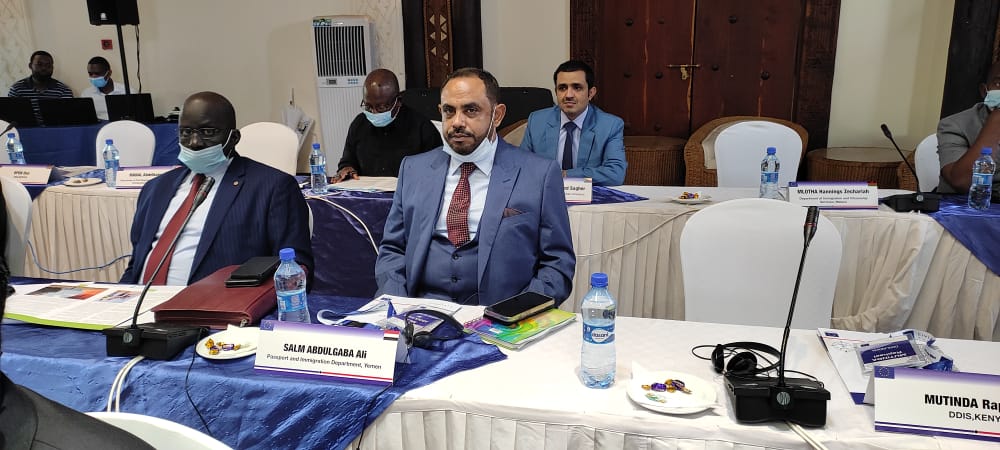
Deputy Head of the Yemeni Authority for Migration, Passport and Nationality Abduljabbar Salim has confirmed that Yemen, since Houthi militia's coup against the state, has become facing dangers of networks of human trafficking increasingly.
These networks made Yemen a transit point for them with facilitations from leaders of Houthi coup, who became big smugglers and human traffickers through utilizing refugees from the Horn of Africa and recruiting them forcibly in their war against Yemeni people and trafficking big numbers of them into Saudi Arabia, said Salim in Yemen's speech he delivered in the meeting of heads of migration, passports and nationality authorities of the Horn of Africa and South Africa.
He confirmed that the government of Yemen exerts great efforts, despite exceptional conditions in Yemen over the war, to face these gangs (human traffickers,) a matter requires integrating efforts of all for coordination, cooperation and exchanging expertise and information for fighting trafficking and money laundering.
The security of Yemen is inseparable part of the security and stability of the countries of the Horn of Africa as an issue passing borders, said Salim.
Key words:
facilitations - SABA Deputy - increasingly - coordination - authorities - Abduljabbar - trafficking - exceptional - integrating - cooperation -
Yemeni Rights Network Documents 42 Houthi Violations in Taiz in 48 Hours
Berlin Protest Calls for Lifting Taiz Siege, Designating Houthis as Terrorists
Coalition Carries Out Operation to Neutralize Houthi Threats
Yemen’s Human Rights Ministry Warns of Humanitarian Catastrophe in Taiz
Citizen Killed by Houthi Landmine Explosion in Al-Baydha Governorate
Yemen Condemns Israeli National Security Minister’s Incursion into Al-Aqsa Mosque
Prime Minister Discusses Houthi Escalation, Attacks on Civilians, Taiz Siege with EU Mission's Ambassador
Al-Barkani Informs Chairman of Pakistan's National Assembly on Developments in Yemen
Yemen Participates in 17th Session of Arab Ministerial Water Council
Houthi Shelling Kills Child in Southern Taiz