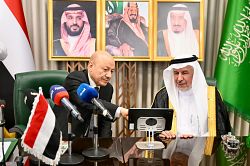
رئيس مجلس القيادة يدشن من مركز الملك سلمان حزمة مشاريع إغاثية لتعزيز صمود تعز ومساندة المتضررين في عموم اليمن
قام فخامة الرئيس الدكتور رشاد محمد العليمي، رئيس مجلس القيادة الرئاسي اليوم الثلاثاء، بزيارة الى مركز الملك سلمان للإغاثة والأعمال الإنسانية، حيث كان في استقبال فخامته، المستشار بالديوان الملكي المشرف العام على المركز الدكتور عبدالله الربيعة، وسفير المملكة العربية السعودية لدى اليمن محمد سعيد آل جابر، وعدد من قيادات المركز، وشركائه في مجال العمل الاغاثي والانساني.
السعودية: سقوط شظايا نتيجة اعتراض صاروخين باليستيين في مدينة الرياض نتج عنها أضرار مادية
أعلن المتحدث الرسمي للدفاع المدني السعودي، سقوط شظايا صاروخين باليستيين في مدينة الرياض، بعد اعتراضهما وتدميرهما، إثر إطلاقهما من قبل مليشيات الحوثي الإرهابية.

نمو الناتج المحلي الإجمالي لكوريا بنسبة 1 بالمائة
سجل اقتصاد كوريا نمواً بنسبة 1 بالمائة في الربع الثالث من العام الجاري مقارنة بالربع السابق، بفضل قوة الصادرات والاستثمارات.

باريس سان جيرمان ينفرد بصدارة الدوري الفرنسي بفوزه على ليون
انفرد باريس سان جيرمان بصدارة الدوري الفرنسي لكرة القدم بعد فوزه على ضيفه أولمبيك ليون بهدفين مقابل هدف في المباراة التي جمعتهما ضمن الجولة الثامنة من المسابقة.
آخر تحديث: ،
2026/10/28
الساعة
01:51:03
آخر الأخبار:
 البرلمان العربي يؤكد دعمه لليمن وقيادته الشرعية ويدين تصعيد ..
القوات المسلحة تنفذ 1382 عملية استهداف خلال الساعات الماضية ضد مراكز وامدادات الحوثيين
توقيع اتفاقية تعاون بين مستشفى الصداقة والجامعة الألمانية الدولية في عدن
اجتماع يناقش تحديات القطاع السمكي في حضرموت وتوجهاته المستقبلية
ناطق القوات المسلحة: تمثيل مليشيات الحوثي الإرهابية بجثامين ..
آخر الأخبار:
البرلمان العربي يؤكد دعمه لليمن وقيادته الشرعية ويدين تصعيد ..
القوات المسلحة تنفذ 1382 عملية استهداف خلال الساعات الماضية ضد مراكز وامدادات الحوثيين
توقيع اتفاقية تعاون بين مستشفى الصداقة والجامعة الألمانية الدولية في عدن
اجتماع يناقش تحديات القطاع السمكي في حضرموت وتوجهاته المستقبلية
ناطق القوات المسلحة: تمثيل مليشيات الحوثي الإرهابية بجثامين ..
Consultative meetings between government, IMF concluded in Amman
[02/05/2024 07:21]
AMMAN - SABA
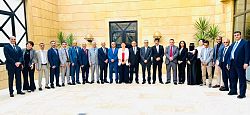
The annual consultative meetings between the government and International Monetary Fund concluded Thursday in the Jordanian capital, Amman.
The Government's party was represented by the Governor of the Central Bank of Yemen, Ahmed Al-Ma'baqi, the Minister of Finance Salem bin Buraik, and the IMF party was represented by experts from the Fund led by Joyce Wong.
During the meetings, the overall situations and challenges in the economic, financial, and monetary sectors were discussed in light of the ongoing war by the terrorist Houthi militia, supported by Iran.
The two parties also discussed a package of issues related to the worsening general services and living conditions of citizens due to the continued economic war waged by the Houthi militia against Yemen and Yemenis, as well as the Houthi escalation in the Red Sea and the Gulf of Aden.
The discussions also included government policies in the financial and monetary aspects, the level of implementation of comprehensive government reforms in the economic, financial, monetary, and administrative sectors with the support of government partners in sisterly, friendly, and donor countries, and government efforts to enhance state resources to improve the general conditions and alleviate human suffering.
The need for financial and technical support to achieve economic stability and promote capacity building in the financial and monetary sectors was also highlighted in the discussions.
The meetings affirmed that the ongoing suspension of oil exports continues to impact economic activity in Yemen, constraining the government's budget and foreign reserves.
The reason for the suspension of crude oil exports, which constitute 65 to 70 percent of the country's total public resources, for about a year and a half, is attributed to the Houthi militia's targeting of vital oil export facilities in the country.
The escalation in the Red Sea also has negative effects on economic activity.
The meetings also affirmed that improving economic prospects are linked to positive progress in peace talks and continued commitment to comprehensive reforms.
They emphasized the need for financial sector stability and adherence to state standards for combating money laundering and financing terrorism, as well as continued external financing to maintain macroeconomic stability, support humanitarian needs, stabilize prices, and support the reform process.
They highlighted the difficulty of the humanitarian situation, especially as around 17 million citizens face food insecurity, and acknowledged Gulf support in alleviating the situation in Yemen, as well as government efforts to implement reforms and enhance transparency.
Key words:
implementation - administrative - International - macroeconomic - comprehensive - transparency - constraining - Government's - humanitarian - government's -
رئيس مجلس القيادة يدشن من مركز الملك سلمان حزمة مشاريع إغاثية لتعزيز صمود تعز ومساندة المتضررين في عموم اليمن
رئيس مجلس القيادة يدعو أوروبا إلى حسم تصنيف الحوثيين منظمة إرهابية ويحذر من كلفة التأخير
التحالف: اعترض ودمر صاروخًا باليستيًا أطلقته الميليشيا الحوثية الإرهابية باتجاه الطائف
البرلمان العربي يؤكد دعمه لليمن وقيادته الشرعية ويدين تصعيد مليشيا الحوثي ويدعو لتصنيفها منظمة إرهابية
القوات المسلحة تنفذ 1382 عملية استهداف خلال الساعات الماضية ضد مراكز وامدادات الحوثيين
توقيع اتفاقية تعاون بين مستشفى الصداقة والجامعة الألمانية الدولية في عدن
اجتماع يناقش تحديات القطاع السمكي في حضرموت وتوجهاته المستقبلية
ناطق القوات المسلحة: تمثيل مليشيات الحوثي الإرهابية بجثامين شهدائنا جريمة محرمة شرعاً ومجرمة دولياً ومرفوضة عرفا
السفير الحضرمي يبحث مع رئيس البرلمان التشيكي تطورات الأوضاع في اليمن
محافظة عمران تدشن حملة لدعم وإسناد معركة فك الحصار عن تعزالأكثر قراءة

مؤتمر الحوار الوطني
-
رئيس مجلس القيادة الرئاسي يلتقي المديرة العامة لصندوق النقد الدولي
[ 18/09/2023 ]
-
رئيس الجمهورية يرأس اجتماعا للجنة تحديد الأقاليم
[ 08/05/2015 ]
-
لجنة تحديد الأقاليم تستمع الى دراسات عن التحديد الإداري وتقسيم الموارد ومعايير اختيار العاصمة ومقومات عدن الاقتصادية
[ 08/05/2015 ]
-
جمعية الابداع بالجوف تختتم انشطتها التوعوية لدعم مخرجات الحوار
[ 08/05/2015 ]
