Ministry of Transport Condemns Houthi Militias for Firing Two Ballistic Missiles on Aden Airport
The Ministry of Transport condemned and strongly decried the targeting of Aden International Airport by the Iranian-backed terrorist Houthi militias this afternoon, Saturday, with two ballistic missiles, marking the fourth time this month, as part of their attacks on vital civilian facilities that serve citizens, travelers and patients.
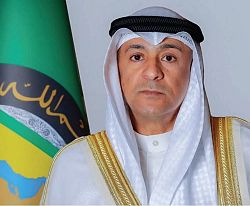
GCC Secretary-General Welcomes UN Security Council’s Position on Houthi Attacks Against Saudi Arabia
The Secretary-General of the Gulf Cooperation Council (GCC) Jasem Albudaiwi has expressed his appreciation for the position conveyed by members of the United Nations Security Council in their presidential statement regarding the attacks carried out by the Houthi terrorist militia against the Kingdom of Saudi Arabia.

Brent Crude Futures Rise 12 Cents
Oil prices remained mostly unchanged in early Asian trading on Thursday following gains from the previous session and a sharp monthly increase.

Al Nassr Beat Al Fateh 3-0 in Saudi Football League
Al Nassr defeated Al Fateh 3-0 in the opening round of the Saudi Pro League, known as the Roshn Saudi League.
Last Update: ،
2026/10/25
Time
08:17:49
Latest News:
 Houthi Militants Kill 64, Hurt 173 Civilians in Taiz Since Last August
Interior Ministry: Houthis Target Coast Guard Facilities in Aden With Three Ballistic Missiles
Yemenis in Brussels Urge EU to Press for End to Taiz Siege
Yemen’s Prime Minister Condemns Terrorist Attack on Church in Jordan
Coalition: Air Defenses Intercept and Destroy Ballistic Missile Launched Toward Riyadh
Latest News:
Houthi Militants Kill 64, Hurt 173 Civilians in Taiz Since Last August
Interior Ministry: Houthis Target Coast Guard Facilities in Aden With Three Ballistic Missiles
Yemenis in Brussels Urge EU to Press for End to Taiz Siege
Yemen’s Prime Minister Condemns Terrorist Attack on Church in Jordan
Coalition: Air Defenses Intercept and Destroy Ballistic Missile Launched Toward Riyadh
Leadership Council chairman stresses importance of European pressure to end human suffering in Yemen
[25/07/2023 03:08]
Riyadh - Saba
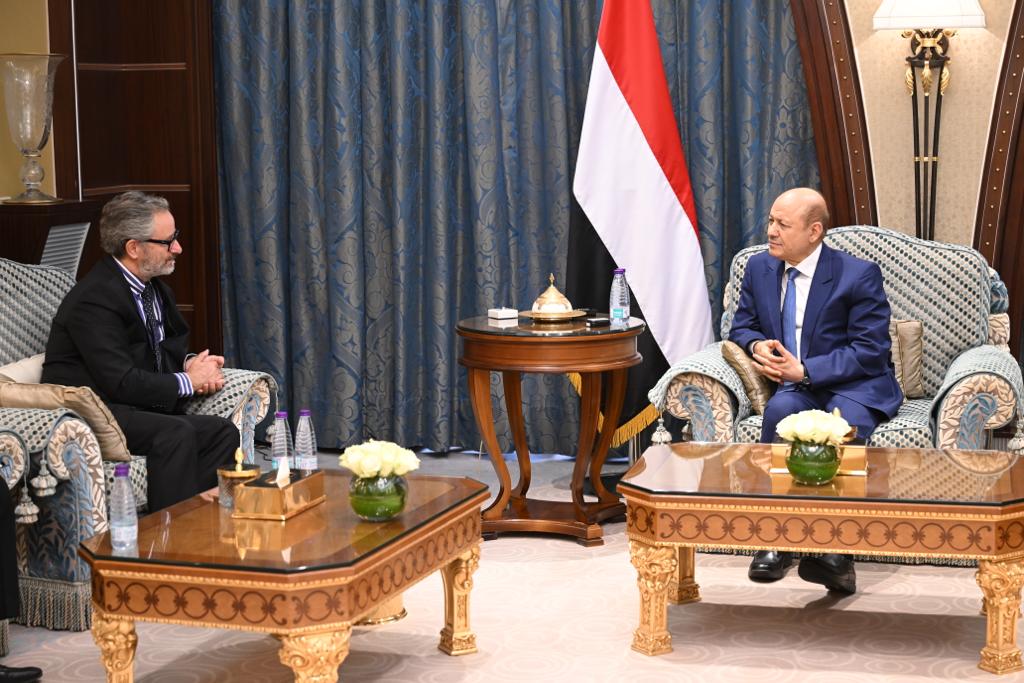
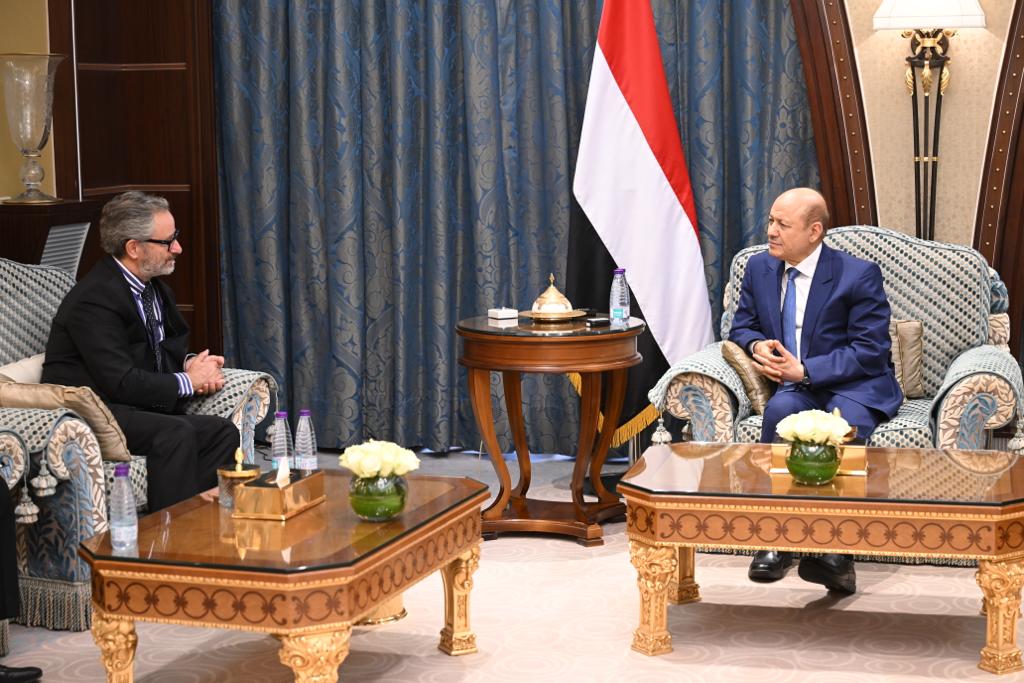
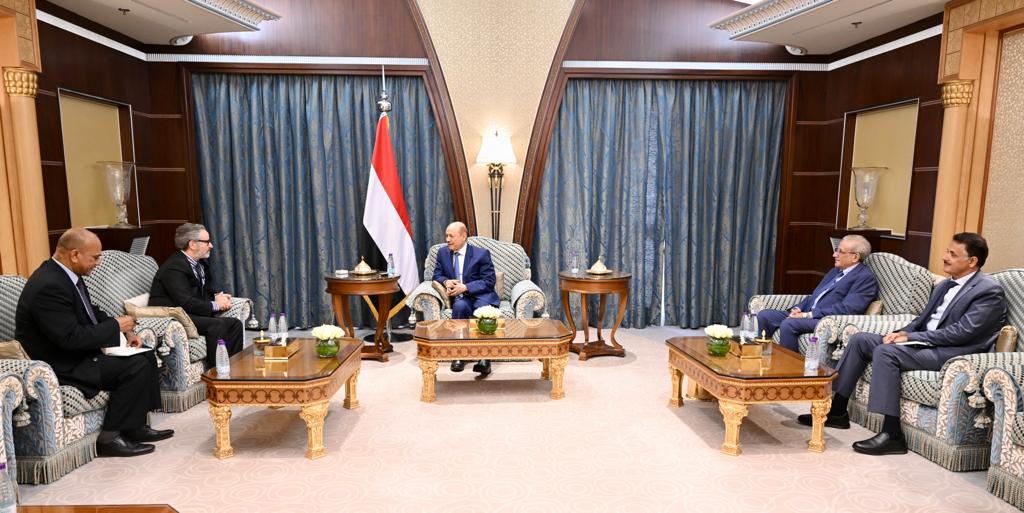
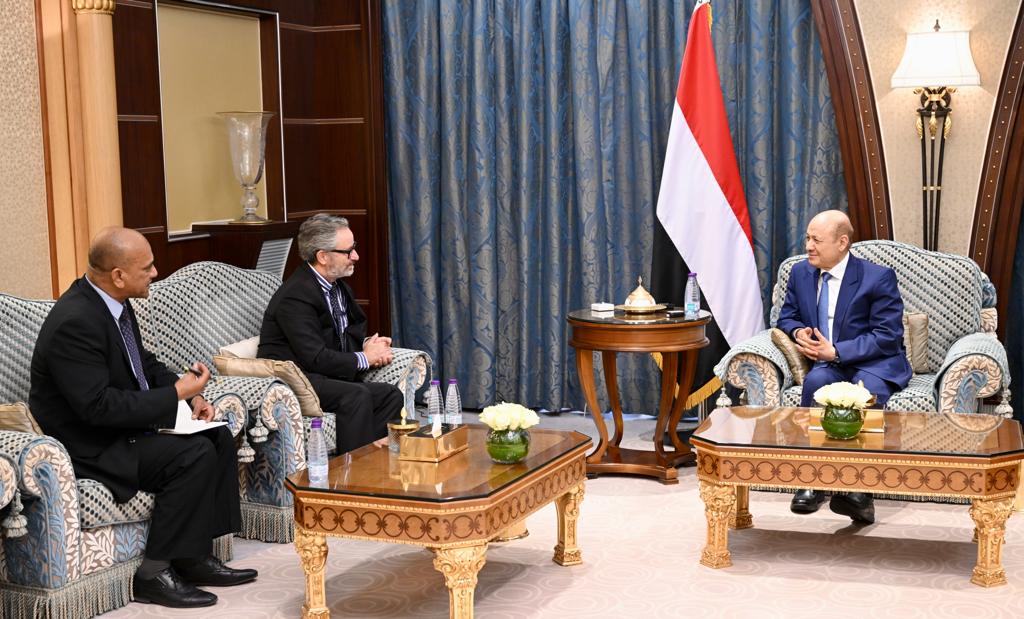
President Dr. Rashad Muhammad al-Alimi, Chairman of the Presidential Leadership Council, stressed the importance of doubling European and international pressure, including the option of sanctions to push the Houthi militias towards serious engagement with good efforts to establish peace and stability and end the human suffering of the Yemeni people.
The President of the Presidential Leadership Council, during his meeting, today, Tuesday, with the head of the European Union mission stressed the importance of the international community assuming its responsibilities in stopping the grave human rights violations the Houthi militia practices against opponents of its racist dynastic ideology.
In the meeting, His Excellency the President acquainted the European ambassador on the developments of the situation on the national scene, and the government's efforts to improve services, especially the electricity sector.
The President of the Presidential Leadership Council expressed his appreciation for the European humanitarian and development support, looking forward to increasing and expanding this support in various fields.
President Dr. Rashad Muhammad al-Alimi, Chairman of the Presidential Leadership Council, stressed the importance of doubling European and international pressure, including the option of sanctions to push the Houthi militias towards serious engagement with good efforts to establish peace and stability and end the human suffering of the Yemeni people.
The President of the Presidential Leadership Council, during his meeting, today, Tuesday, with the head of the European Union mission stressed the importance of the international community assuming its responsibilities in stopping the grave human rights violations the Houthi militia practices against opponents of its racist dynastic ideology.
In the meeting, His Excellency the President acquainted the European ambassador on the developments of the situation on the national scene, and the government's efforts to improve services, especially the electricity sector.
The President of the Presidential Leadership Council expressed his appreciation for the European humanitarian and development support, looking forward to increasing and expanding this support in various fields.
Key words:
responsibilities - Saba President - international - developments - government's - appreciation - humanitarian - Presidential - electricity - development -
Interior Ministry: Houthis Target Coast Guard Facilities in Aden With Three Ballistic Missiles
Yemenis in Brussels Urge EU to Press for End to Taiz Siege
Yemen’s Prime Minister Condemns Terrorist Attack on Church in Jordan
Yemen Welcomes Joint Statement by Foreign Ministers of Saudi Arabia, Egypt, Türkiye, Pakistan
Taiz Residents Bury 18 Victims of Houthi Shelling
Spain Says Houthi Attacks on Civilian Infrastructure in Yemen and Saudi Arabia Fuel Regional Escalation
Arab League Condemns Houthi Attacks on Saudi Arabia’s King Fahd International Airport
Foreign Minister Delivers Message from President al-Alimi to Chinese President
Yemen, Türkiye Discuss Bilateral Relations and Latest Developments
Yemen, Japan Discuss Ways to Strengthen Parliamentary Cooperation