Houthi Shelling Kills Child in Southern Taiz
A nine-year-old child was killed on Sunday when Iranian-backed Houthi militia shelled villages in Al-Aqroud area, south of Taiz Governorate.
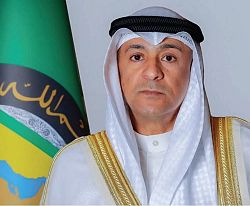
GCC Secretary-General Welcomes UN Security Council’s Position on Houthi Attacks Against Saudi Arabia
The Secretary-General of the Gulf Cooperation Council (GCC) Jasem Albudaiwi has expressed his appreciation for the position conveyed by members of the United Nations Security Council in their presidential statement regarding the attacks carried out by the Houthi terrorist militia against the Kingdom of Saudi Arabia.

Brent Crude Futures Rise 12 Cents
Oil prices remained mostly unchanged in early Asian trading on Thursday following gains from the previous session and a sharp monthly increase.

Al Nassr Beat Al Fateh 3-0 in Saudi Football League
Al Nassr defeated Al Fateh 3-0 in the opening round of the Saudi Pro League, known as the Roshn Saudi League.
Last Update: ،
2026/10/25
Time
09:15:43
Latest News:
 Planning Minister Discusses Strengthening Humanitarian Interventions, Support Projects for Displaced ..
Aden Governor Discusses Humanitarian Cooperation and Sustainable Development Projects with UN OCHA
Aden Governor Discusses Humanitarian Response and Youth Training with UNFPA
Minister of Health Discusses with WFP Nutritional Interventions
Houth Cell, Weapon Shipment in Shabwah, Security Achievement
Latest News:
Planning Minister Discusses Strengthening Humanitarian Interventions, Support Projects for Displaced ..
Aden Governor Discusses Humanitarian Cooperation and Sustainable Development Projects with UN OCHA
Aden Governor Discusses Humanitarian Response and Youth Training with UNFPA
Minister of Health Discusses with WFP Nutritional Interventions
Houth Cell, Weapon Shipment in Shabwah, Security Achievement
Fatah: Any reduction of humanitarian aid will complicate people's suffering
[13/02/2020 07:04]
ADEN-SABA
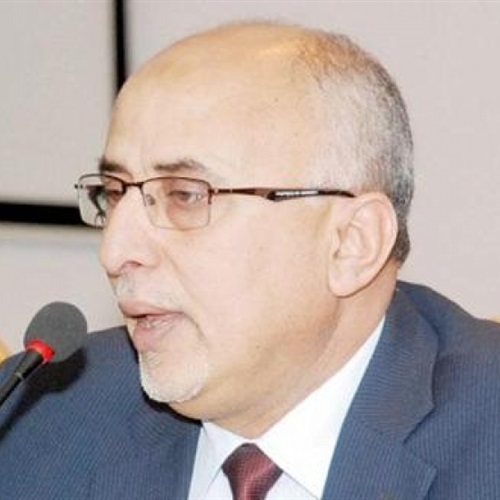
Minister of Local Administration, the Head of the Supreme Relief Committee, Abdulraqeeb Fatah has said any measures for reducing humanitarian assistances to people in Houthi-held areas will affect needy people and complicate their suffering.
The international community must take all measures and solutions to ensure continuation of humanitarian process and pressuring Houthi militia not to interfere in relief activities and implementing decentralization of relief work, Fatah told Saba on Thursday.
He shouldered Houthi militia full responsibility on deteriorating humanitarian situation to needy people in their-held provinces over their hindering humanitarian process, looting aid and storming offices of the UN organizations, calling the international community to criminalize these crimes and imposing sanctions against Houthi leaders.
He called on the Office of Coordinating Humanitarian Affairs and UN organization to relocate stores of assistances to liberated provinces, pointing out that Sana'a and other Houthi-held areas have become insecure due to Houthi militia hegemony and interferences in relief activities.
He called upon permanent members states in the Security Council to take firm decisions and tough measures against Houthi leaders.
Key words:
decentralization - responsibility - Administration - SABA Minister - organizations - deteriorating - international - interferences - Coordinating - Humanitarian -
Houthi Shelling Kills Child in Southern Taiz
Planning Minister Discusses Strengthening Humanitarian Interventions, Support Projects for Displaced People with UNHCR
Aden Governor Discusses Humanitarian Cooperation and Sustainable Development Projects with UN OCHA
Aden Governor Discusses Humanitarian Response and Youth Training with UNFPA
Minister of Health Discusses with WFP Nutritional Interventions
Houth Cell, Weapon Shipment in Shabwah, Security Achievement
Ministry of Transport Condemns Houthi Militias for Firing Two Ballistic Missiles on Aden Airport
Houthi Militants Kill 64, Hurt 173 Civilians in Taiz Since Last August
Interior Ministry: Houthis Target Coast Guard Facilities in Aden With Three Ballistic Missiles
Yemenis in Brussels Urge EU to Press for End to Taiz Siege