
Berlin Protest Calls for Lifting Taiz Siege, Designating Houthis as Terrorists
Members of the Yemeni community in Berlin staged a protest calling on Germany, the European Union, the United Nations and the international community to pressure the Iran-backed Houthi militia to lift the siege on Taiz, reopen roads, ensure freedom of movement and allow humanitarian supplies into the city.
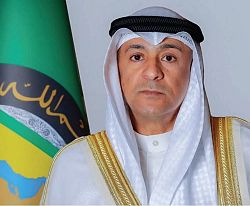
GCC Secretary-General Welcomes UN Security Council’s Position on Houthi Attacks Against Saudi Arabia
The Secretary-General of the Gulf Cooperation Council (GCC) Jasem Albudaiwi has expressed his appreciation for the position conveyed by members of the United Nations Security Council in their presidential statement regarding the attacks carried out by the Houthi terrorist militia against the Kingdom of Saudi Arabia.

Brent Crude Futures Rise 12 Cents
Oil prices remained mostly unchanged in early Asian trading on Thursday following gains from the previous session and a sharp monthly increase.

Al Nassr Beat Al Fateh 3-0 in Saudi Football League
Al Nassr defeated Al Fateh 3-0 in the opening round of the Saudi Pro League, known as the Roshn Saudi League.
Last Update: ،
2026/10/27
Time
05:05:11
Latest News:
 Berlin Protest Calls for Lifting Taiz Siege, Designating Houthis as Terrorists
Coalition Carries Out Operation to Neutralize Houthi Threats
Yemen’s Human Rights Ministry Warns of Humanitarian Catastrophe in Taiz
Citizen Killed by Houthi Landmine Explosion in Al-Baydha Governorate
Yemen Condemns Israeli National Security Minister’s Incursion into Al-Aqsa Mosque
Latest News:
Berlin Protest Calls for Lifting Taiz Siege, Designating Houthis as Terrorists
Coalition Carries Out Operation to Neutralize Houthi Threats
Yemen’s Human Rights Ministry Warns of Humanitarian Catastrophe in Taiz
Citizen Killed by Houthi Landmine Explosion in Al-Baydha Governorate
Yemen Condemns Israeli National Security Minister’s Incursion into Al-Aqsa Mosque
Consultative meetings between government, IMF concluded in Amman
[02/05/2024 07:21]

AMMAN - SABA
The annual consultative meetings between the government and International Monetary Fund concluded Thursday in the Jordanian capital, Amman.
The Government's party was represented by the Governor of the Central Bank of Yemen, Ahmed Al-Ma'baqi, the Minister of Finance Salem bin Buraik, and the IMF party was represented by experts from the Fund led by Joyce Wong.
During the meetings, the overall situations and challenges in the economic, financial, and monetary sectors were discussed in light of the ongoing war by the terrorist Houthi militia, supported by Iran.
The two parties also discussed a package of issues related to the worsening general services and living conditions of citizens due to the continued economic war waged by the Houthi militia against Yemen and Yemenis, as well as the Houthi escalation in the Red Sea and the Gulf of Aden.
The discussions also included government policies in the financial and monetary aspects, the level of implementation of comprehensive government reforms in the economic, financial, monetary, and administrative sectors with the support of government partners in sisterly, friendly, and donor countries, and government efforts to enhance state resources to improve the general conditions and alleviate human suffering.
The need for financial and technical support to achieve economic stability and promote capacity building in the financial and monetary sectors was also highlighted in the discussions.
The meetings affirmed that the ongoing suspension of oil exports continues to impact economic activity in Yemen, constraining the government's budget and foreign reserves.
The reason for the suspension of crude oil exports, which constitute 65 to 70 percent of the country's total public resources, for about a year and a half, is attributed to the Houthi militia's targeting of vital oil export facilities in the country.
The escalation in the Red Sea also has negative effects on economic activity.
The meetings also affirmed that improving economic prospects are linked to positive progress in peace talks and continued commitment to comprehensive reforms.
They emphasized the need for financial sector stability and adherence to state standards for combating money laundering and financing terrorism, as well as continued external financing to maintain macroeconomic stability, support humanitarian needs, stabilize prices, and support the reform process.
They highlighted the difficulty of the humanitarian situation, especially as around 17 million citizens face food insecurity, and acknowledged Gulf support in alleviating the situation in Yemen, as well as government efforts to implement reforms and enhance transparency.
Key words:
implementation - administrative - International - macroeconomic - comprehensive - transparency - constraining - Government's - humanitarian - government's -
Yemeni Rights Network Documents 42 Houthi Violations in Taiz in 48 Hours
Berlin Protest Calls for Lifting Taiz Siege, Designating Houthis as Terrorists
Coalition Carries Out Operation to Neutralize Houthi Threats
Yemen’s Human Rights Ministry Warns of Humanitarian Catastrophe in Taiz
Citizen Killed by Houthi Landmine Explosion in Al-Baydha Governorate
Yemen Condemns Israeli National Security Minister’s Incursion into Al-Aqsa Mosque
Prime Minister Discusses Houthi Escalation, Attacks on Civilians, Taiz Siege with EU Mission's Ambassador
Al-Barkani Informs Chairman of Pakistan's National Assembly on Developments in Yemen
Yemen Participates in 17th Session of Arab Ministerial Water Council
Houthi Shelling Kills Child in Southern Taiz