
Ministry of Transport Condemns Houthi Militias for Firing Two Ballistic Missiles on Aden Airport
The Ministry of Transport condemned and strongly decried the targeting of Aden International Airport by the Iranian-backed terrorist Houthi militias this afternoon, Saturday, with two ballistic missiles, marking the fourth time this month, as part of their attacks on vital civilian facilities that serve citizens, travelers and patients.
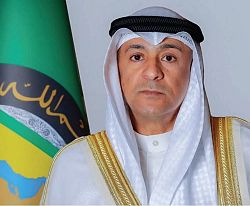
GCC Secretary-General Welcomes UN Security Council’s Position on Houthi Attacks Against Saudi Arabia
The Secretary-General of the Gulf Cooperation Council (GCC) Jasem Albudaiwi has expressed his appreciation for the position conveyed by members of the United Nations Security Council in their presidential statement regarding the attacks carried out by the Houthi terrorist militia against the Kingdom of Saudi Arabia.

Brent Crude Futures Rise 12 Cents
Oil prices remained mostly unchanged in early Asian trading on Thursday following gains from the previous session and a sharp monthly increase.

Al Nassr Beat Al Fateh 3-0 in Saudi Football League
Al Nassr defeated Al Fateh 3-0 in the opening round of the Saudi Pro League, known as the Roshn Saudi League.
Last Update: ،
2026/10/25
Time
02:55:10
Latest News:
 Houthi Militants Kill 64, Hurt 173 Civilians in Taiz Since Last August
Interior Ministry: Houthis Target Coast Guard Facilities in Aden With Three Ballistic Missiles
Yemenis in Brussels Urge EU to Press for End to Taiz Siege
Yemen’s Prime Minister Condemns Terrorist Attack on Church in Jordan
Coalition: Air Defenses Intercept and Destroy Ballistic Missile Launched Toward Riyadh
Latest News:
Houthi Militants Kill 64, Hurt 173 Civilians in Taiz Since Last August
Interior Ministry: Houthis Target Coast Guard Facilities in Aden With Three Ballistic Missiles
Yemenis in Brussels Urge EU to Press for End to Taiz Siege
Yemen’s Prime Minister Condemns Terrorist Attack on Church in Jordan
Coalition: Air Defenses Intercept and Destroy Ballistic Missile Launched Toward Riyadh
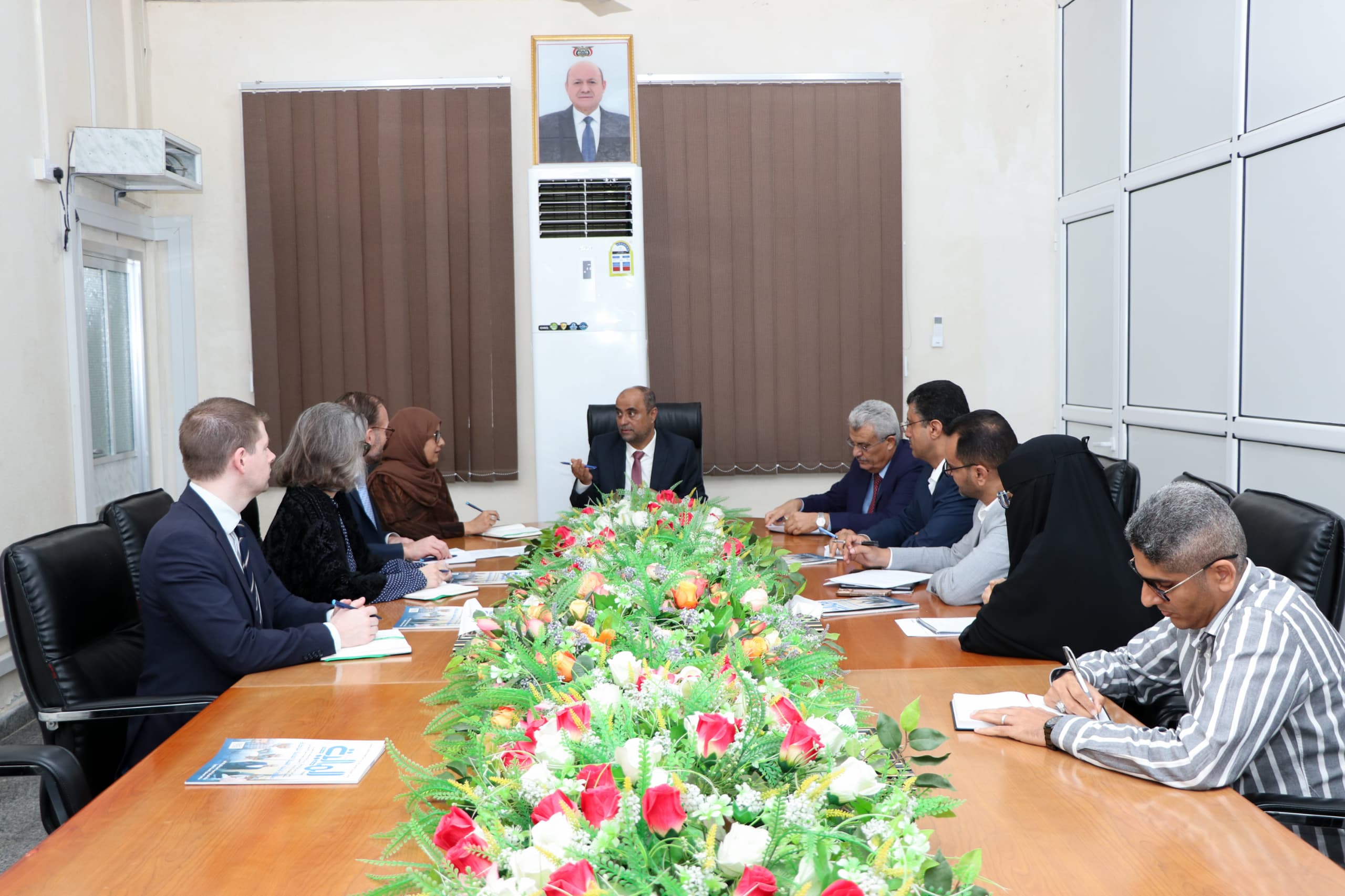
Finance Minister discusses economic developments with UN Envoy's Advisor
[16/03/2025 07:59]
ADEN - SABA
Finance Minister Salem bin Bureik discussed Sunday with the Economic Advisor to the UN Envoy to Yemen Dirk Jan Omzigt and his accompanying delegation economic developments and their impacts on the general situation, particularly regarding the service and living conditions of citizens.
During the meeting, which included Assistant Undersecretary for Budget Sector Mokhtar al-Shuraihi and Assistant Undersecretary for Foreign Relations Dr. Nasr al-Harbi, the focus was on the U.S. administration's decision to classify the Houthi militia, supported by the Iranian regime, as a "Foreign Terrorist Organization."
The discussion also addressed the significant negative effects of the Houthi militia's continued economic war against Yemen and Yemenis, particularly the blockade on crude oil exports, which constitutes about 65% of the state's general budget.
This situation has posed considerable challenges to public finances, deepening humanitarian suffering and diminishing the level of essential services provided to citizens. The conversation included ensuring the smooth flow of trade and humanitarian aid, as well as regional and international efforts to achieve peace in Yemen.
The meeting emphasized the importance of continued support from brotherly and friendly countries and partners for the government's efforts to implement comprehensive reforms, address the significant challenges facing public finances, improve various conditions, particularly service and living conditions, and achieve stability and improvement in the national economy while mitigating the worsening economic crisis and rising levels of food insecurity.
Minister bin Bureik touched on the latest developments in the economic and financial situation and the government's efforts to tackle public finance challenges amid the difficult circumstances the country is experiencing.
He praised the U.S. decision to classify the Houthi militia as a "Foreign Terrorist Organization" and appreciated the support of brotherly and friendly countries for the government's efforts to improve the overall situation.
He pointed out the significant negative effects of the halt in crude oil exports due to the Houthi militia's targeting of vital oil export facilities, stressing the importance of supporting efforts to resume crude oil exports to enhance the state’s public resources and sustain public finances, enabling the government to fulfill its obligations and responsibilities in facing economic challenges, combating corruption and providing services to citizens.
For his part, the UN economic advisor expressed his appreciation for the government's efforts to stabilize the economic situation and improve service and living conditions.
Key words:
responsibilities - administration's - Undersecretary - SABA Finance - Organization" - circumstances - comprehensive - international - Minister - developments -
Ministry of Transport Condemns Houthi Militias for Firing Two Ballistic Missiles on Aden Airport
Houthi Militants Kill 64, Hurt 173 Civilians in Taiz Since Last August
Interior Ministry: Houthis Target Coast Guard Facilities in Aden With Three Ballistic Missiles
Yemenis in Brussels Urge EU to Press for End to Taiz Siege
Yemen’s Prime Minister Condemns Terrorist Attack on Church in Jordan
Coalition: Air Defenses Intercept and Destroy Ballistic Missile Launched Toward Riyadh
Yemen Welcomes Joint Statement by Foreign Ministers of Saudi Arabia, Egypt, Türkiye, Pakistan
Taiz Residents Bury 18 Victims of Houthi Shelling
Spain Says Houthi Attacks on Civilian Infrastructure in Yemen and Saudi Arabia Fuel Regional Escalation
Arab League Condemns Houthi Attacks on Saudi Arabia’s King Fahd International Airport