Yemen Welcomes UN Security Council Presidential Statement on Houthi Attacks Against Yemen, Saudi Arabia
The Ministry of Foreign Affairs and Expatriates has welcomed the presidential statement issued by the United Nations Security Council on October 15, 2026, regarding the Houthi military escalation in Yemen and attacks against the Kingdom of Saudi Arabia.
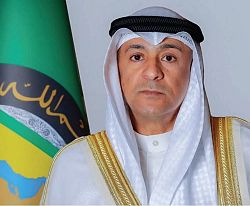
GCC Secretary-General Welcomes UN Security Council’s Position on Houthi Attacks Against Saudi Arabia
The Secretary-General of the Gulf Cooperation Council (GCC) Jasem Albudaiwi has expressed his appreciation for the position conveyed by members of the United Nations Security Council in their presidential statement regarding the attacks carried out by the Houthi terrorist militia against the Kingdom of Saudi Arabia.

Brent Crude Futures Rise 12 Cents
Oil prices remained mostly unchanged in early Asian trading on Thursday following gains from the previous session and a sharp monthly increase.

Al Nassr Beat Al Fateh 3-0 in Saudi Football League
Al Nassr defeated Al Fateh 3-0 in the opening round of the Saudi Pro League, known as the Roshn Saudi League.
Last Update: ،
2026/10/17
Time
10:04:35
Latest News:
 Yemen’s Planning Minister Participates in Arab Governors Meeting at World Bank
Yemen’s Ambassador Discusses Latest Developments with Japan’s Deputy Foreign Minister
Foreign Minister Holds Talks with Indonesian Counterpart on Yemen, Regional Developments
President al-Alimi Discusses National and Regional Developments with UK Foreign Secretary
Human Rights Organization Warns of Humanitarian Catastrophe in Taiz Over Houthi Siege
Latest News:
Yemen’s Planning Minister Participates in Arab Governors Meeting at World Bank
Yemen’s Ambassador Discusses Latest Developments with Japan’s Deputy Foreign Minister
Foreign Minister Holds Talks with Indonesian Counterpart on Yemen, Regional Developments
President al-Alimi Discusses National and Regional Developments with UK Foreign Secretary
Human Rights Organization Warns of Humanitarian Catastrophe in Taiz Over Houthi Siege
Deputy Planning Minister meets with Deputy Director of OCHA and head of Belgian MSF Yemen mission
[01/10/2023 05:00]
Aden - Saba
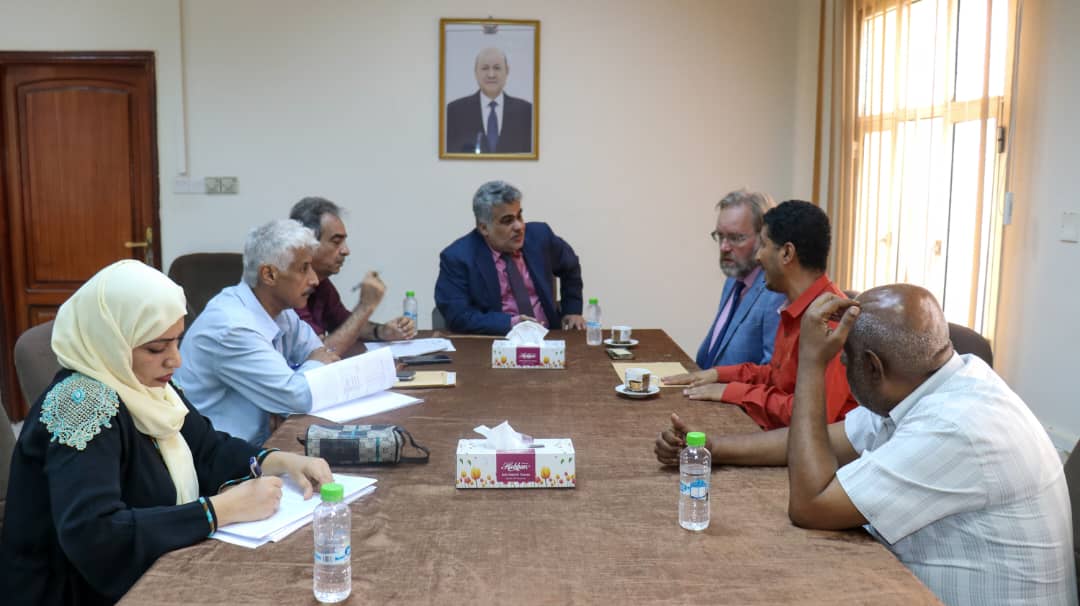
Deputy Minister of Planning and International Cooperation, Dr. Nizar Basoheib, discussed today, in the temporary capital, Aden, with the Deputy Director of the United Nations Office for the Coordination of Humanitarian Affairs (OCHA) in Yemen the strengthening of joint efforts to confront the challenges of the current situation in the humanitarian, relief and development aspects.
The meeting also touched on the final preparations for holding a workshop on improving humanitarian partnerships between the governmental side and international governmental and non-governmental organizations operating in the country, which is scheduled to be held next week, to support government efforts in confronting the crises resulting from the war and alleviating the human suffering of citizens in various fields.
On another level, Deputy Minister of Planning, Dr. Nizar Basoheib, discussed today, in Aden, with the head of the Belgian Doctors Without Borders MSF mission the most prominent pivots of the organization’s intervention plan for next year, which includes the medical interventions project in Yemen, at a cost of 18,767,000 euros.
Key words:
organization’s - strengthening - international - interventions - International - organizations - Saba Deputy - humanitarian - preparations - Humanitarian -
Foreign Minister Holds Talks with Indonesian Counterpart on Yemen, Regional Developments
President al-Alimi Discusses National and Regional Developments with UK Foreign Secretary
UN Security Council Condemns Houthi Escalation in Yemen, Reaffirms Saudi Arabia’s Right to Self-Defence
President al-Alimi asks about Colleagues' Safety Following Houthi Missile Attack on Maashiq Palace
Deputy Foreign Minister Praises Japanese Support for Yemen
Yemeni Rights Network Documents 219 Houthi Violations in Taiz in 48 Hours
European Union Calls on Houthi Militias to Lift Siege on Taiz, Allow Food Supplies to Enter the City
Prime Minister Praises Taiz Residents’ Heroic Resilience, Says Houthi Crimes Will Not Be Forgotten
Woman Killed, Three Injured in Houthi Landmine Explosion South of Taiz
Al-Faqmi, al-Ma'baqi Discuss Cooperation with OPEC Fund, WB, UNDP