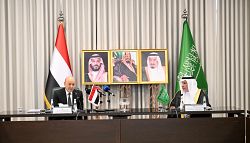
President al-Alimi Launches Package of Relief Projects from King Salman Center to Support Taiz's Resilience, Help those Affected Across Yemen
His Excellency President Dr. Rashad al-Alimi, Chairman of the Presidential Leadership Council (PLC), visited today, Tuesday the King Salman Center for Relief and Humanitarian Work. He was received by Dr. Abdullah al-Rabeeah, Advisor at the Royal Court and General Supervisor of the Center, Saudi Arabia's Ambassador to Yemen, Mohammed al-Jaber, along with several leaders of the center and its partners in relief and humanitarian work.
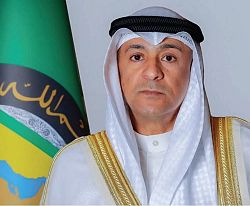
GCC Secretary-General Welcomes UN Security Council’s Position on Houthi Attacks Against Saudi Arabia
The Secretary-General of the Gulf Cooperation Council (GCC) Jasem Albudaiwi has expressed his appreciation for the position conveyed by members of the United Nations Security Council in their presidential statement regarding the attacks carried out by the Houthi terrorist militia against the Kingdom of Saudi Arabia.

Brent Crude Futures Rise 12 Cents
Oil prices remained mostly unchanged in early Asian trading on Thursday following gains from the previous session and a sharp monthly increase.

Al Nassr Beat Al Fateh 3-0 in Saudi Football League
Al Nassr defeated Al Fateh 3-0 in the opening round of the Saudi Pro League, known as the Roshn Saudi League.
Last Update: ،
2026/10/27
Time
09:35:47
Latest News:
 Yemeni Ambassador Discusses Developments in Yemen with Czech Parliament Speaker
Aden Governor Discusses with UNICEF Strengthening Interventions in Water, Education
Green Climate Fund Approves Project Worth $28 Million to Develop 'CWIMEWS' in Yemen
Yemen, China Discuss Development and Humanitarian Cooperation
President al-Alimi Calls on Europe to Designate Houthis as Terrorist Organization
Latest News:
Yemeni Ambassador Discusses Developments in Yemen with Czech Parliament Speaker
Aden Governor Discusses with UNICEF Strengthening Interventions in Water, Education
Green Climate Fund Approves Project Worth $28 Million to Develop 'CWIMEWS' in Yemen
Yemen, China Discuss Development and Humanitarian Cooperation
President al-Alimi Calls on Europe to Designate Houthis as Terrorist Organization
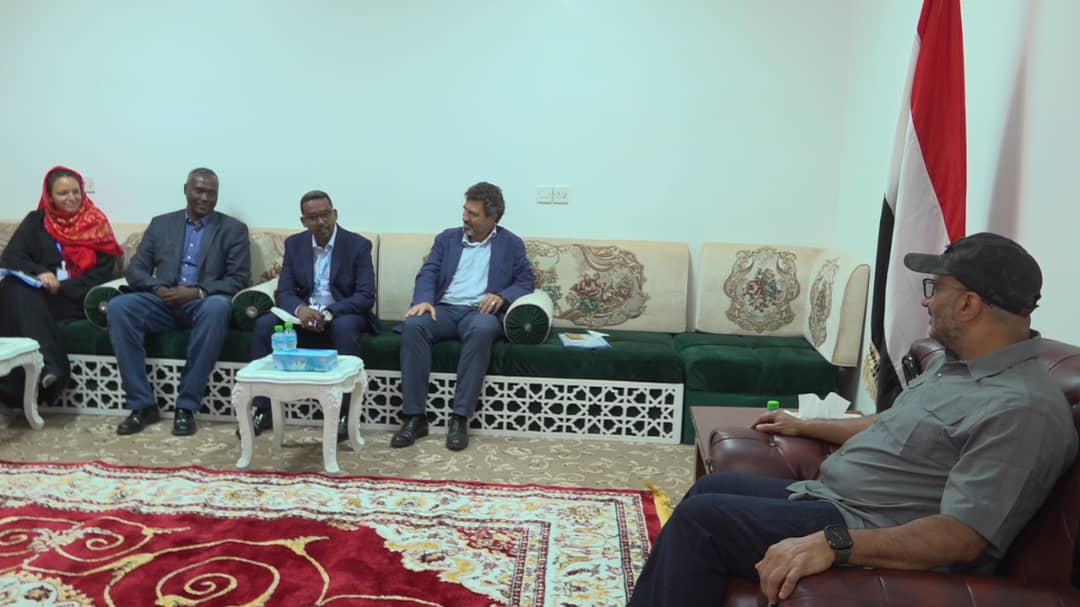
Member of Leadership Council Tariq Saleh receives UN Deputy Resident Rep.
[22/11/2022 05:05]
Mocha - Saba
A member of the Presidential Leadership Council, Tariq Saleh, received the Deputy Resident Representative of the United Nations in Yemen to discuss the situation on the national scene, in light of the continuing series of Houthi violations against civilians.
The two sides discussed service files, especially the water and electricity files, and the role that United Nations organizations can play in supporting the electricity and water sectors, especially in the governorates of Taiz and Al-Hodeidah, which have been subjected to systematic destruction of infrastructure by the Houthi militia.
Brigadier General Tariq Saleh reviewed the efforts made to support service, health, educational and other projects in the liberated areas, to help the population obtain basic services.
Brigadier General Tariq Saleh affirmed the Presidential Leadership Council's support for peace efforts led by the United Nations in Yemen.
"The Presidential Leadership Council and the government will not tolerate any Houthi actions that would disrupt the activities of economic facilities with the aim of harming the lives of millions of civilians," he said, pointing out that the government's adherence to the peaceful path does not mean ever keeping silent about the Houthi terrorist attacks against civilians and economic facilities.
A member of the Presidential Leadership Council, Tariq Saleh, received the Deputy Resident Representative of the United Nations in Yemen to discuss the situation on the national scene, in light of the continuing series of Houthi violations against civilians.
The two sides discussed service files, especially the water and electricity files, and the role that United Nations organizations can play in supporting the electricity and water sectors, especially in the governorates of Taiz and Al-Hodeidah, which have been subjected to systematic destruction of infrastructure by the Houthi militia.
Brigadier General Tariq Saleh reviewed the efforts made to support service, health, educational and other projects in the liberated areas, to help the population obtain basic services.
Brigadier General Tariq Saleh affirmed the Presidential Leadership Council's support for peace efforts led by the United Nations in Yemen.
"The Presidential Leadership Council and the government will not tolerate any Houthi actions that would disrupt the activities of economic facilities with the aim of harming the lives of millions of civilians," he said, pointing out that the government's adherence to the peaceful path does not mean ever keeping silent about the Houthi terrorist attacks against civilians and economic facilities.
Key words:
Representative - infrastructure - organizations - Brigadier - government's - Presidential - governorates - destruction - electricity - educational -
President al-Alimi Launches Package of Relief Projects from King Salman Center to Support Taiz's Resilience, Help those Affected Across Yemen
Yemeni Ambassador Discusses Developments in Yemen with Czech Parliament Speaker
Aden Governor Discusses with UNICEF Strengthening Interventions in Water, Education
Green Climate Fund Approves Project Worth $28 Million to Develop 'CWIMEWS' in Yemen
Yemen, China Discuss Development and Humanitarian Cooperation
President al-Alimi Calls on Europe to Designate Houthis as Terrorist Organization
Report Documents Houthi Violations Against 107 Women and Children in Taiz
Yemenia Aircraft Makes Safe Landing in Jordan After Hail Strike
Coalition Intercepts and Destroys Four Drones and Three Ballistic Missiles Launched by Houthis Toward Saudi Arabia
Yemeni Rights Network Documents 42 Houthi Violations in Taiz in 48 Hours