Yemen Calls on OIC to Designate Houthi Militias as Terrorist Organization
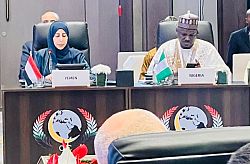
The Republic of Yemen has called on the member states of the Organization of Islamic Cooperation (OIC) to take a firm stance and classify the Houthi militias as a terrorist organization, cut off their sources of funding and stop the flow of weapons and military expertise to them, in order to counter their ongoing terrorism that has come to threaten the region's security and stability.
GCC Secretary-General Welcomes UN Security Council’s Position on Houthi Attacks Against Saudi Arabia
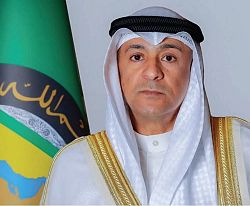
The Secretary-General of the Gulf Cooperation Council (GCC) Jasem Albudaiwi has expressed his appreciation for the position conveyed by members of the United Nations Security Council in their presidential statement regarding the attacks carried out by the Houthi terrorist militia against the Kingdom of Saudi Arabia.

Brent Crude Futures Rise 12 Cents
Oil prices remained mostly unchanged in early Asian trading on Thursday following gains from the previous session and a sharp monthly increase.

Al Nassr Beat Al Fateh 3-0 in Saudi Football League
Al Nassr defeated Al Fateh 3-0 in the opening round of the Saudi Pro League, known as the Roshn Saudi League.
Last Update: ،
2026/10/18
Time
06:34:27
Latest News:
 Foreign Minister: Tehran Regime Party to War on Yemenis, Not Mediator
Yemen Welcomes UN Security Council Presidential Statement on Houthi Attacks Against Yemen, Saudi Arabia
Yemen’s Planning Minister Participates in Arab Governors Meeting at World Bank
Yemen’s Ambassador Discusses Latest Developments with Japan’s Deputy Foreign Minister
Foreign Minister Holds Talks with Indonesian Counterpart on Yemen, Regional Developments
Latest News:
Foreign Minister: Tehran Regime Party to War on Yemenis, Not Mediator
Yemen Welcomes UN Security Council Presidential Statement on Houthi Attacks Against Yemen, Saudi Arabia
Yemen’s Planning Minister Participates in Arab Governors Meeting at World Bank
Yemen’s Ambassador Discusses Latest Developments with Japan’s Deputy Foreign Minister
Foreign Minister Holds Talks with Indonesian Counterpart on Yemen, Regional Developments
Yemen youth uprising was not a luxury: FM tells Arab diplomats in Delhi
[14/07/2017 07:17]
New Delhi-SABA
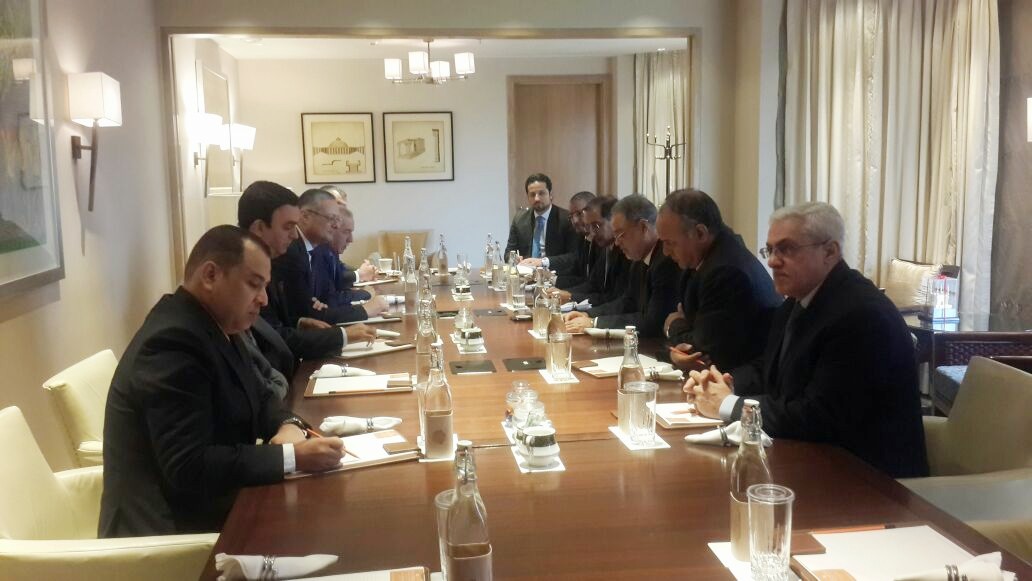
Yemen' foreign minister has said the youth uprising of February 2011 in Yemen was not a luxury thing but a necessity to save Yemen, which was, then, on the verge of collapse due to the former regime's policies.
In a meeting with the Arab ambassadors in New Delhi, minister Abdul-Malik al-Mekhlafi who is on a visit to India said Yemen's revolution was distinct and ideal thanks to its peaceful characteristic in spite of the Saleh regime's savagely cruel response.
The revolution, he said, was also distinct in that women and other disadvantaged sets of the society took part in the rallies and no voices were heard calling for any party to be excluded, including the then-ruling party, the GPC.
The protesters also accepted to sit with all parties in an all-inclusive national dialogue at the end.
The minister explained that before the Arab uprising, Yemen "had reached a critical stage on all levels; economic, political and social."
"The reports from international organizations including the Transparency International were warning at the time that Yemen is edging close to collapse and that it was only a matter of time until it is declared a failed state."
"The political (southern) protesting movement had reached a boiling level. It is the exclusion exercised in the south since 1994 that caused the (southern) movement to exist."
Saleh' agenda was to monopolize and bequeath power within his relatives, the minister reminded.
"Corruption was spread in all levels of the state. Unemployment rate among the youth was at an international record peak. Poverty reached exceptional rates against the international standards. More than half the Yemeni people were under the poverty line."
The minister pointed how Yemenis at the end came to the discussion table to agree on breaking from the past and laying the foundations for their future democratic federal state, according to the GCC-brokered Initiative.
"The political process could have been completed peacefully, but Saleh and the Houthis wanted things to go otherwise. So they carried out a takeover of the power and constitutional institutions in September 2014.
An all-out war was then launched (by the Houthis) against the country. Threat was posed to Saudi Arabia. Iranclaimed (what it called) fourth Arab capital city.
With backing from Saleh, the Houthis swept all provinces and cities from Saadah to Aden."
The war was imposed on the Yemeni people and its leadership, it was not the government's choice. The government was forced to fight the war in defense of the Yemeni people against the militias' atrocities.
The minister says that to this moment "peace will remain the government's lasting choice. That is why it participated in all the peace talks and agreed to the UN peace proposals, the last of which the proposal concerning Hodeidah."
The government has agreed to the UN's proposal that the coup militias' hand over the Hodeidah sea port and city to a neutral party in return for the government's resumption of salary payments to all civil servants including the ones in the militia-controlled parts of Yemen.
Key words:
"Corruption - constitutional - characteristic - international - organizations - International - disadvantaged - SABA Yemen' - participated - institutions -
Yemen Calls on OIC to Designate Houthi Militias as Terrorist Organization
Foreign Minister: Tehran Regime Party to War on Yemenis, Not Mediator
Yemen Welcomes UN Security Council Presidential Statement on Houthi Attacks Against Yemen, Saudi Arabia
Yemen’s Planning Minister Participates in Arab Governors Meeting at World Bank
Yemen’s Ambassador Discusses Latest Developments with Japan’s Deputy Foreign Minister
Foreign Minister Holds Talks with Indonesian Counterpart on Yemen, Regional Developments
President al-Alimi Discusses National and Regional Developments with UK Foreign Secretary
Human Rights Organization Warns of Humanitarian Catastrophe in Taiz Over Houthi Siege
UN Security Council Condemns Houthi Escalation in Yemen, Reaffirms Saudi Arabia’s Right to Self-Defence
President al-Alimi asks about Colleagues' Safety Following Houthi Missile Attack on Maashiq Palace